
Andean Spiritual Traditions: Understanding Ceremony, Reciprocity and Connection to Nature
Andean spiritual traditions developed across diverse Indigenous communities of the Andes and should be approached as living cultural traditions rather than a single standardized belief system. For retreat guests, learning about these traditions can be an invitation to think more carefully about reciprocity, gratitude, relationship with the natural world, community responsibility, and respectful ceremony.
There Is No Single Andean Spiritual Tradition
The Andes stretch across multiple countries and contain many languages, communities, histories, and local practices. Quechua traditions are part of this larger cultural landscape, but not every community practices in the same way. Responsible education avoids flattening these differences into a single universal formula.
Reciprocity as a Guiding Principle
One concept frequently discussed in Andean cultural contexts is reciprocity, often described through the idea of balanced exchange. In practical terms, reciprocity can encourage people to ask not only what they hope to receive from a place, teacher, community, or ceremony, but also how they will show respect, gratitude, care, and responsibility in return.
Relationship With Land and the Natural World
Many Andean traditions emphasize relationship with mountains, earth, water, weather, plants, animals, ancestors, family, and community. A retreat can explore this relational worldview by encouraging guests to pay attention to place, season, food, land stewardship, and the ways daily life depends on systems larger than the individual.
Ceremony, Gratitude, and Despacho
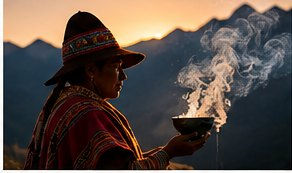
Ceremonial practices such as despacho are often described as offerings of gratitude and reciprocity. Their meaning depends on context, lineage, practitioner, and community. Guests should avoid treating ceremonial forms as crafts or performances to copy casually. The respectful approach is to learn from authorized practitioners, follow their guidance, and understand the values and relationships behind the practice.
How to Participate Respectfully
Listen before assuming. Ask before photographing or recording. Follow guidance about ceremonial objects and spaces. Do not pressure other guests to share private experiences. Avoid claiming titles, initiations, or expertise you have not earned. Cultural respect is demonstrated through behavior, not simply through admiration.
Learning Without Making Medical Claims
Cultural and spiritual practices may hold profound personal meaning, but a retreat should not present them as substitutes for licensed healthcare. Guests with medical or mental-health concerns should continue working with qualified professionals and use retreat experiences for cultural, educational, spiritual, and reflective purposes.
Continue the Journey at the Spring 2027 Retreat
Ready to experience these ideas in person? Explore the Quechua Spirit Healing Retreat — Spring 2027 for March 19–21 at Pleiades Ranch Oasis in Campbell, Texas. Review current accommodations, inclusions, pricing, and registration details before reserving your place.


Comments